Flat proof tires
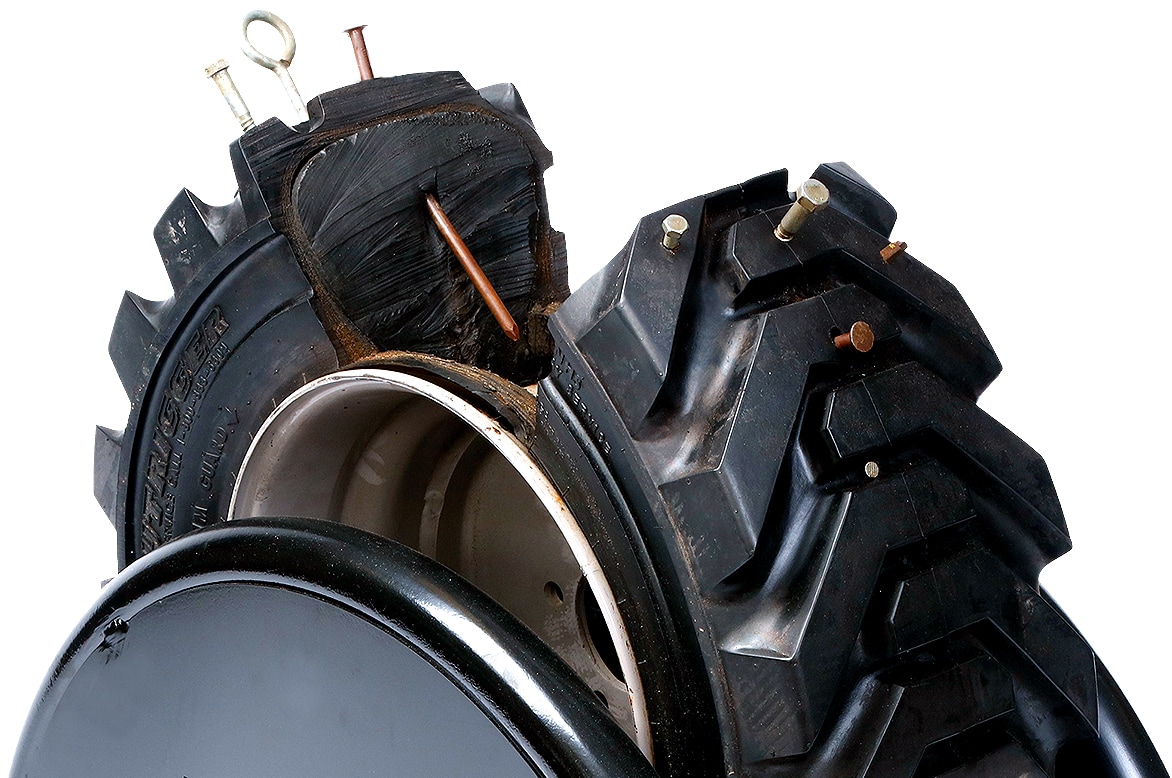
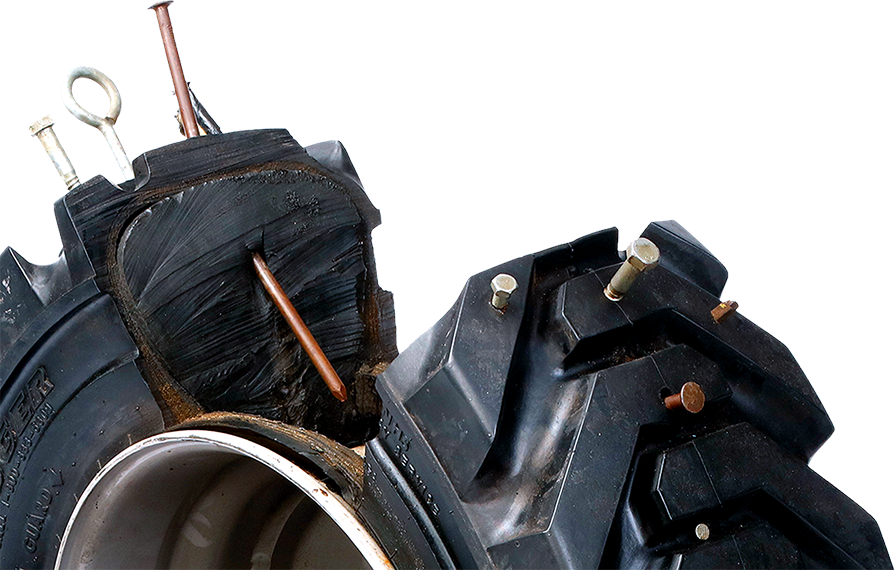
Eliminate Flat Tires Forever!
TyrFil™ offers the smoothest flatproofed ride in demanding and hazardous Off-the-Road (OTR) applications, including the construction, waste management, mining, municipality, military and rental equipment markets.
Weight
Estimator
Profit
Analysis
Resource
Library
Who We Serve
Aftermarket Dealers
Equipment Owners
EQuipment Operators
Rental Companies
Military Applications
TIRE FLATPROOFING & PRODUCTIVITY TECHNOLOGIES
TyrFil™ Flatproofing
TyrFil™ is a polyurethane liquid that is pumped into pneumatic tires to replace air with a resilient, synthetic elastomer core that eliminates dangerous and costly tire flats on off-the-road (OTR) equipment.
TLC Tire and Rim Protection™
TLC™ promotes safety, reduces downtime and extends the life of OTR tires and rims.
ReSeal™ Tire Sealant
ReSeal™ industrial strength tire sealant offers light-weight tire protection when your equipment is exposed to harsh conditions.
TyrFil Equipment
Carlisle TyrFil™ offers proven pumping equipment technology – over 100MM pounds pumped annually.
The Global Leader
in Flatproofing
Technologies
Protecting the world from flat tires and increasing productivity for more than 45 years!
DON’T ENDURE ANOTHER ROUGH RIDE
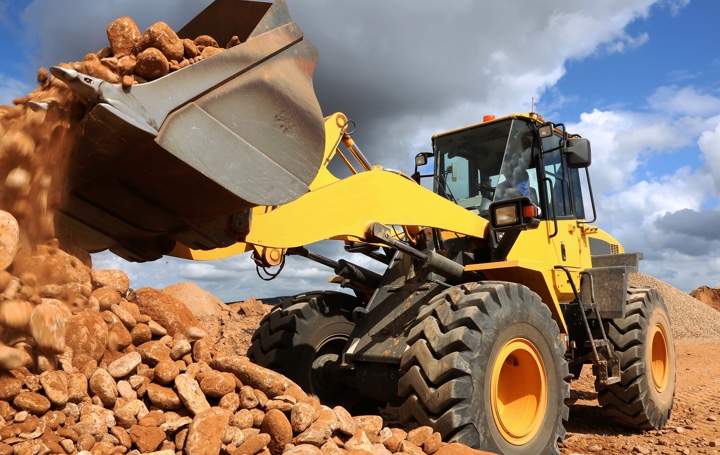
“Solid Shock” refers to the harsh impact of g-force vibration emitted to heavy industrial vehicle operators and their equipment from solid aperture tires. Not only is Solid Shock a major source of wear and tear on machines, but it’s also a leading cause of Whole Body Vibration.
Featured News

Carlisle TyrFil Extends its Partnership with American Forests to Help Replant the Natural Landscape in California and Michigan

A Look Ahead at the Construction and Rental Equipment Markets in 2024